Restaurant Use-By Date Tracker
Keep track of use-by dates, batches and opening dates to cut waste and strengthen your HACCP. Free download.
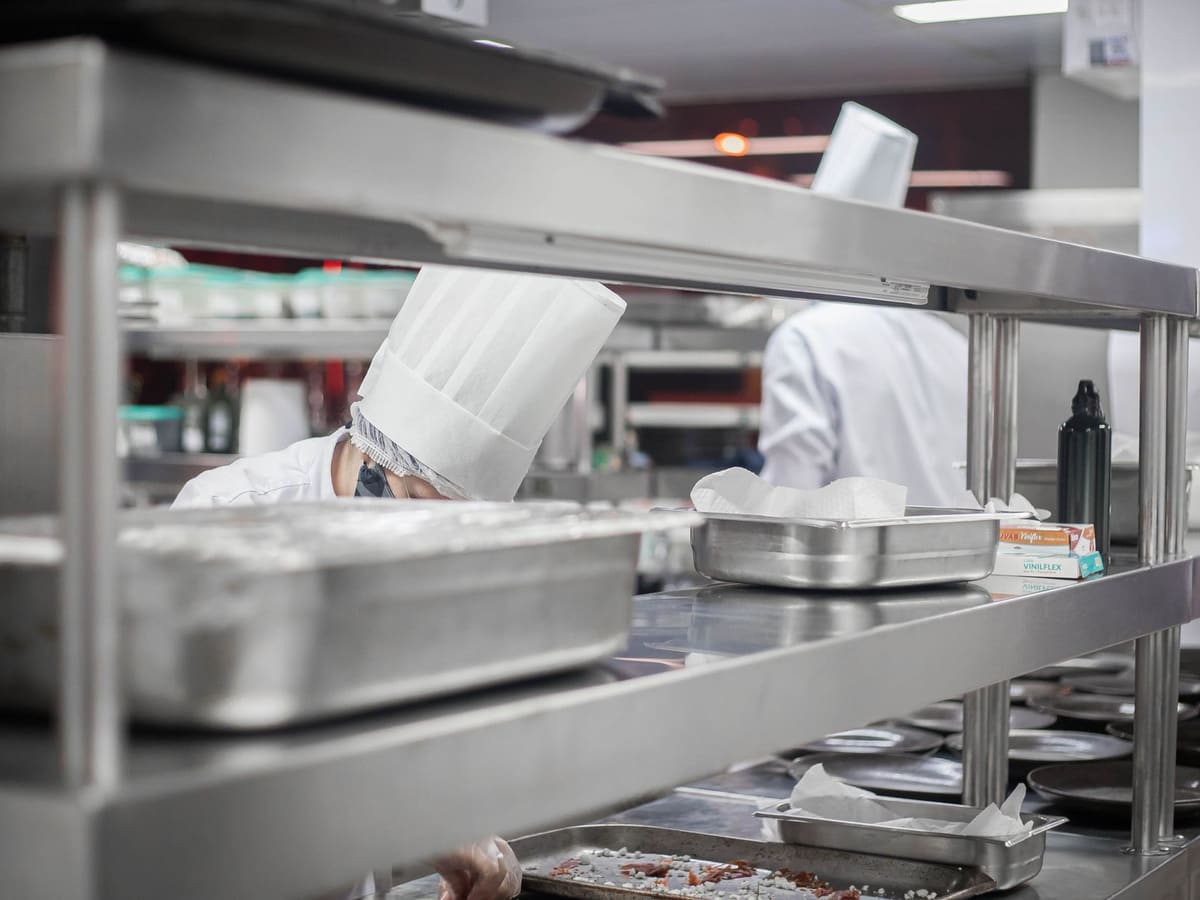
Without a clear record of expiry dates, products get stuck at the back of the cold room, waste goes up and the risks pile up ahead of a health inspection.
This template helps you solve it simply, without any software.
What's in this template?
- Log of product, batch, supplier and location
- Tracking of delivery, opening, use-by and best-before dates
- Traffic-light priority to apply FIFO and FEFO in the kitchen
- Follow-up of corrective actions when a product expires or is thrown away
The file
use-by-date-tracker.xlsx
- Format
- Excel (.xlsx)
- Sheets
- Use-by Dates
- Opens with
- Excel, Google Sheets or LibreOffice
- Price
- Free
It works for your type of venue
- Restaurant with chilled and frozen cold rooms
- Café with display counter, pastries and opened products
- Hotel with buffet, room service and central kitchen
- Catering, bakery or dark kitchen with batch production
Download your template
Leave us your name and email and the download starts straight away.
Related resources
To go deeper into the ideas behind this template.
Frequently asked questions
What is a use-by date tracker for in hospitality?
It tells you which products need using first, which opened foods need watching and which items are close to their date. In restaurants, cafés and hotels it helps cut waste, avoid buying twice and show that you have working control of dates, batches and corrective actions within your HACCP system.
What is the difference between a use-by date and a best-before date?
The use-by date marks the last day a food can be eaten safely. The best-before date shows how long it keeps its expected quality, which does not carry the same food safety risk. The template lets you record both and add notes so the team knows whether to use, check, hold back or remove a product.
How do I apply FIFO or FEFO with this template?
FIFO means first in, first out; FEFO means first expired, first out. The template records the delivery date, opening date and use-by date so you can rank products by real priority. In a kitchen it usually works best to combine both: keep an eye on older batches, but serve first whatever expires soonest.
Which products should I include in the log?
Above all meat, fish, dairy, in-house preparations, opened sauces, frozen products, repackaged food, prepared mise en place, desserts, pastries, buffet items and anything that could lose its traceability once opened or moved to another container. It is also useful for tracking samples, batches and products withdrawn after an incident.
How often should I check use-by dates?
Cold rooms and fresh products should be checked daily, ideally at opening or closing. For dry stores a weekly check may be enough, depending on how busy the business is. The template is designed to flag priorities, owners and corrective actions, not just to write dates down and forget them.
Other templates you might like
See all templatesKitchen Inventory Template
Complete stock control: ingredients, quantities, use-by dates and suppliers on one sheet.
View templateRestaurant Supplier Order Form Template
Keep all your supplier orders in one clear sheet: products, quantities, deliveries and issues.
View templateRestaurant Food Waste Log Template
Record and analyse your kitchen's waste to cut losses and boost profit.
View template